
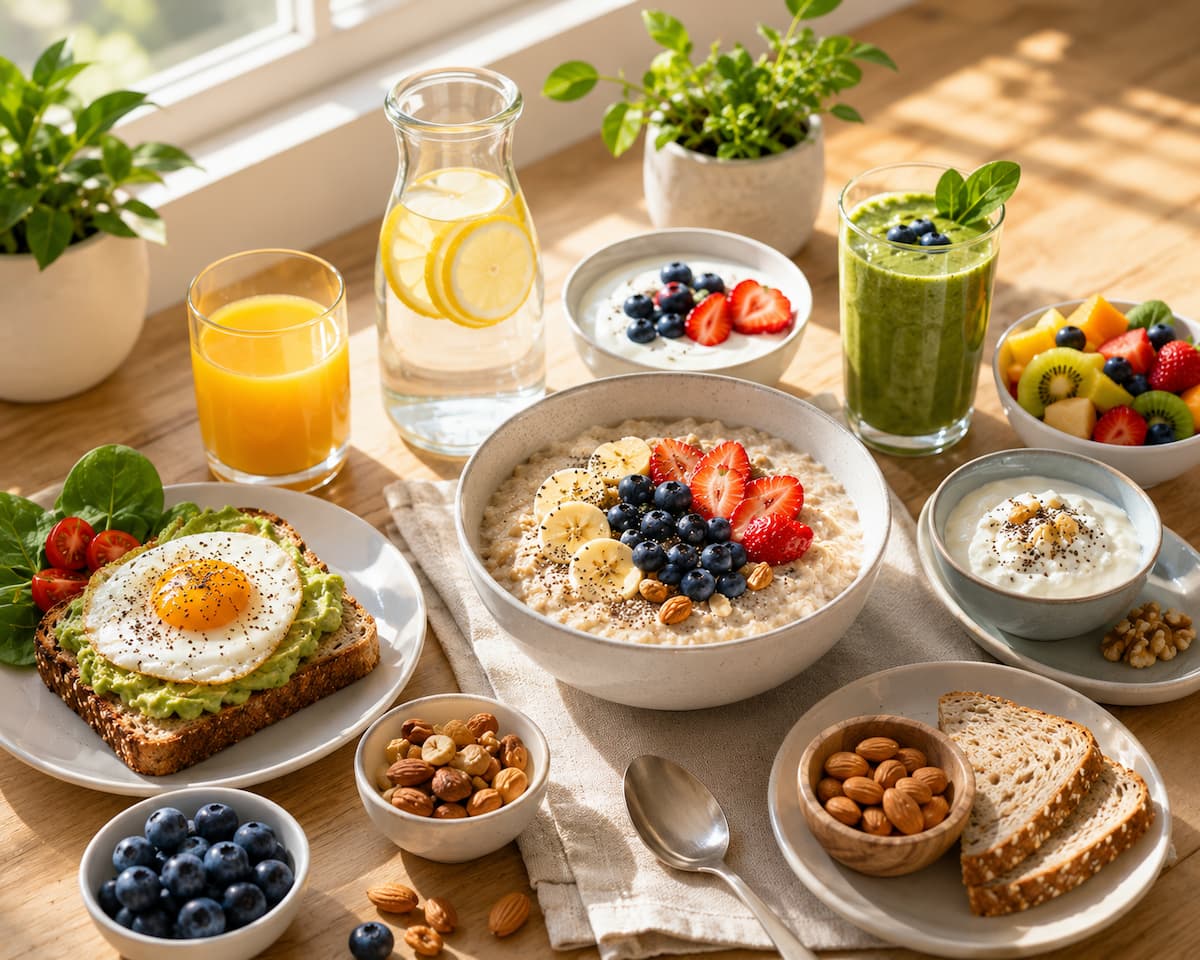
Many people start their day feeling tired, rushed, or unfocused. One of the biggest reasons is a poor or skipped breakfast. What you eat in the morning sets the tone for your energy, mood, and concentration throughout the day. A balanced breakfast can help you feel more awake, avoid mid-morning crashes, and improve productivity at school, work, or home.
In this guide, you will learn how to build energy-boosting breakfasts using simple, everyday foods. We will explore balanced meal ideas, common mistakes, quick recipes, and smart nutrition tips. Everything is explained in a beginner-friendly way so you can start making better breakfast choices right away without complicated diets or expensive ingredients.
Why Breakfast Matters for Energy
After several hours of sleep, your body wakes up in a low-energy state. Breakfast is the first fuel that helps restore blood sugar levels and supports brain function. Without it, many people feel tired, irritated, or distracted in the morning.
A healthy breakfast improves focus, supports metabolism, and prevents overeating later in the day. It also helps stabilise energy levels, so you avoid sudden crashes that often come from sugary snacks or skipping meals altogether.
Think of breakfast as charging your body like a phone. Without a proper charge, performance slows down throughout the day.
Best Foods for Morning Energy
Not all foods provide the same type of energy. Some give quick sugar spikes, while others provide long-lasting fuel. The goal is to choose foods that release energy slowly and steadily.
- Whole grains: Oats, whole wheat bread, brown rice
- Protein sources: Eggs, yogurt, nuts, seeds
- Healthy fats: Avocado, peanut butter, almonds
- Fruits: Bananas, berries, apples
- Dairy or alternatives: Milk, soy milk, Greek yogurt
These foods work together to keep your energy stable and prevent early fatigue. Avoid relying only on sugary cereals or pastries, which can cause a quick energy spike followed by a crash.
How to Build a Balanced Breakfast
A balanced breakfast should include three main components: carbohydrates, protein, and healthy fats. This combination helps slow digestion and keeps you full longer.
| Component | Function | Examples |
|---|---|---|
| Carbohydrates | Provide energy | Oats, bread, fruits |
| Protein | Builds and repairs muscles | Eggs, yogurt, nuts |
| Healthy Fats | Long-lasting energy | Avocado, seeds, peanut butter |
Tip: Try to include at least one food from each category in your breakfast to maintain steady energy throughout the morning.
Quick Breakfast Ideas for Busy Mornings
Busy mornings often lead people to skip breakfast or choose unhealthy fast food. However, there are quick and healthy options that take less than 10 minutes.
- Whole wheat toast with peanut butter and banana slices
- Greek yogurt with honey and berries
- Boiled eggs with whole-grain bread
- Overnight oats prepared the night before
These meals require minimal preparation but still provide strong nutritional value. Preparing ingredients ahead of time can make mornings easier and stress-free.
Oats-Based Energy Breakfasts
Oats are one of the best foods for steady energy release. They are rich in fibre and help keep you full for longer periods.
You can prepare oats in different ways:
- Classic warm oatmeal with milk and fruits
- Overnight oats with chia seeds and yogurt
- Oat pancakes with banana
Tip: Add cinnamon or nut butter to enhance flavour without adding refined sugar.
Oats are especially helpful for people who feel hungry quickly after breakfast.
Protein-Packed Breakfast Choices
Protein plays a key role in maintaining energy and reducing hunger. A high-protein breakfast helps you stay full and focused longer.
- Scrambled eggs with vegetables
- Greek yogurt bowls with nuts
- Cottage cheese with fruit
- Protein smoothies with milk and banana
Skipping protein in the morning can lead to faster energy drops and increased cravings later in the day.
Healthy Smoothies for Energy
Smoothies are a great option for people who prefer light or quick breakfasts. They are easy to digest and can be packed with nutrients.
A balanced smoothie includes fruit, protein, and a liquid base.
- Banana + peanut butter + milk
- Berries, yoghurt, and honey
- Mango + oats + almond milk
Warning: Avoid adding too much sugar or juice, as it reduces nutritional value.
Smoothies are also a good option for children or people on the go.
Common Breakfast Mistakes
Many people unknowingly make mistakes that reduce their morning energy. Avoiding these can significantly improve your day.
- Skipping breakfast completely
- Eating only sugary foods
- Drinking too much coffee instead of eating
- Not including protein or fiber
These habits often lead to energy crashes and poor concentration later in the morning.
Meal Prep Breakfast Tips
Meal prepping can save time and help you stay consistent with healthy eating. Preparing breakfast items in advance reduces morning stress.
- Prepare overnight oats for 2–3 days
- Boil eggs in batches
- Chop fruits and store in containers
- Make smoothie packs for freezing
With a little planning, you can avoid unhealthy last-minute food choices.
Hydration and Morning Energy
Water plays an important role in how energetic you feel in the morning. After hours of sleep, your body is often mildly dehydrated.
Drinking a glass of water after waking up can help improve alertness and digestion. You can also include herbal teas or infused water for variety.
Tip: Drink water before coffee to avoid dehydration-related fatigue.
Breakfast Ideas for Kids and Families
Children need proper morning nutrition to support growth, focus, and school performance. Family-friendly breakfasts should be simple, tasty, and balanced.
- Peanut butter and banana sandwiches
- Oatmeal with fruit toppings
- Egg muffins with vegetables
- Yogurt parfaits with granola
Involving kids in breakfast preparation can also encourage healthy eating habits from an early age.
FAQs
1. What is the best breakfast for all-day energy?
A balanced breakfast with protein, fibre, and healthy fats is best. Examples include eggs with whole-grain toast, oatmeal with nuts, or yoghurt with fruits. These foods release energy slowly and help maintain focus throughout the day. Avoid sugary cereals, which may cause energy crashes within a few hours.
2. Is it bad to skip breakfast?
Skipping breakfast regularly can lead to low energy, poor concentration, and overeating later in the day. While occasional skipping may not harm everyone, most people benefit from eating a nutritious morning meal to stabilise blood sugar and support productivity.
3. Can coffee replace breakfast?
Coffee alone cannot replace breakfast because it does not provide essential nutrients like protein, fibre, or healthy fats. While it may increase alertness temporarily, it does not sustain energy and may lead to crashes if taken on an empty stomach.
4. What is the healthiest quick breakfast?
Greek yoghurt with fruit, overnight oats, or whole wheat toast with peanut butter are some of the healthiest quick options. These meals take little time but provide balanced nutrition and steady energy release throughout the morning.
5. Are smoothies good for energy?
Yes, smoothies can be very effective for energy if balanced properly. They should include fruit; a protein source like yoghurt or milk; and healthy fats such as nuts or seeds. Avoid adding excessive sugar or sweeteners.
6. How can I improve my breakfast habits?
Start by planning simple meals ahead of time and including a mix of protein, fibre, and healthy fats. Avoid processed foods and try to eat at a consistent time every morning. Small changes can significantly improve energy levels.
7. What foods should I avoid for breakfast?
It is best to limit sugary cereals, pastries, and processed snacks. These foods provide quick energy but often lead to crashes. Instead, focus on whole foods like oats, eggs, fruits, and nuts.
8. Can breakfast help with weight control?
Yes, a healthy breakfast can support weight management by reducing overeating later in the day and improving metabolism. Balanced meals help control hunger and prevent unnecessary snacking.
Conclusion
A strong morning starts with the right breakfast choices. By combining protein, fibre, and healthy fats, you can maintain steady energy, improve focus, and avoid midday fatigue. Simple habits like drinking water in the morning, preparing meals ahead of time, and avoiding sugary foods can make a big difference in your daily performance.
You do not need complicated recipes or expensive ingredients. Small, consistent improvements in your breakfast routine can lead to long-term benefits for your health and productivity.
References
- Harvard T.H. Chan School of Public Health – Nutrition Source
- World Health Organization (WHO) – Healthy Diet Guidelines
- U.S. Department of Agriculture (USDA) – Dietary Guidelines for Americans
- Academy of Nutrition and Dietetics – Breakfast Nutrition Resources
