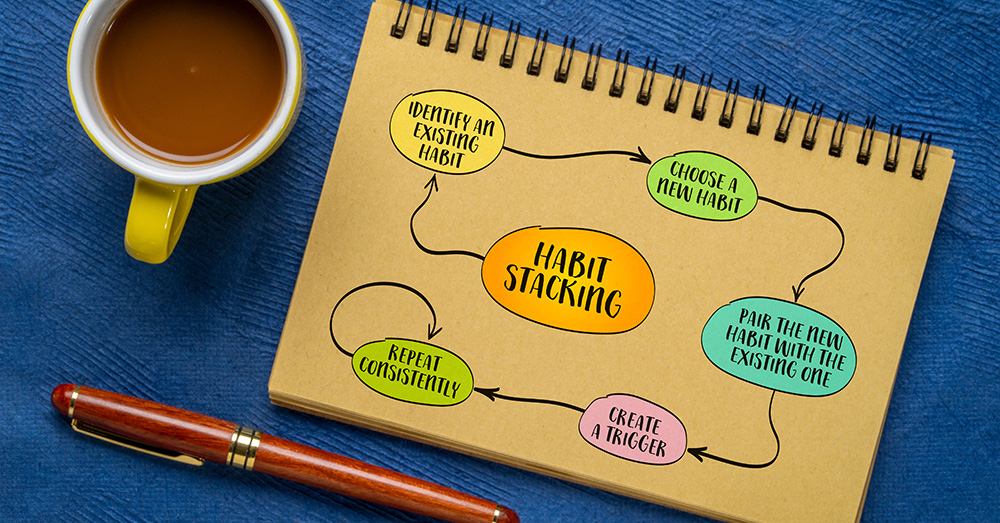
People often think that good long-term health requires huge life changes, strong motivation, or a radical transformation. Health is often viewed as rigid habits, expensive programs, or a complete lifestyle overhaul. But often, the opposite is true. By consistently making small changes, you can have a huge impact in the long run. Small habits are …
Building a lifestyle that supports consistent self-care is not about luxury routines or complicated wellness systems. It is about designing your everyday life in a way that naturally protects your energy, time, and mental space. Many people try self-care as an “extra activity”, something they do only when they feel tired or overwhelmed. The real …
Most people think that motivation is the solution to developing healthy habits. We always wait for the “right mood”, the “right Monday”, or the “right season” before we start exercising, improving our diet, or going to bed early. In reality, motivation is unreliable. It is just like the weather—it comes and goes. But consistency can …
Many people feel that life moves too fast and that there is no time left to breathe. Work, family responsibilities, online entertainment, and an endless to-do list can make every day feel busy and chaotic. Yet, simple habits, such as developing a more balanced lifestyle, can really help. Simple, easy-to-implement habits can gradually bring more …
Stress is the norm these days, and many people feel overwhelmed without understanding why. Work tasks, family responsibilities, constant electronic notifications, and endless decision-making can all lead to significant stress throughout the day. This article explores how you can lower stress levels by making small adjustments to your daily habits, without making major changes or …
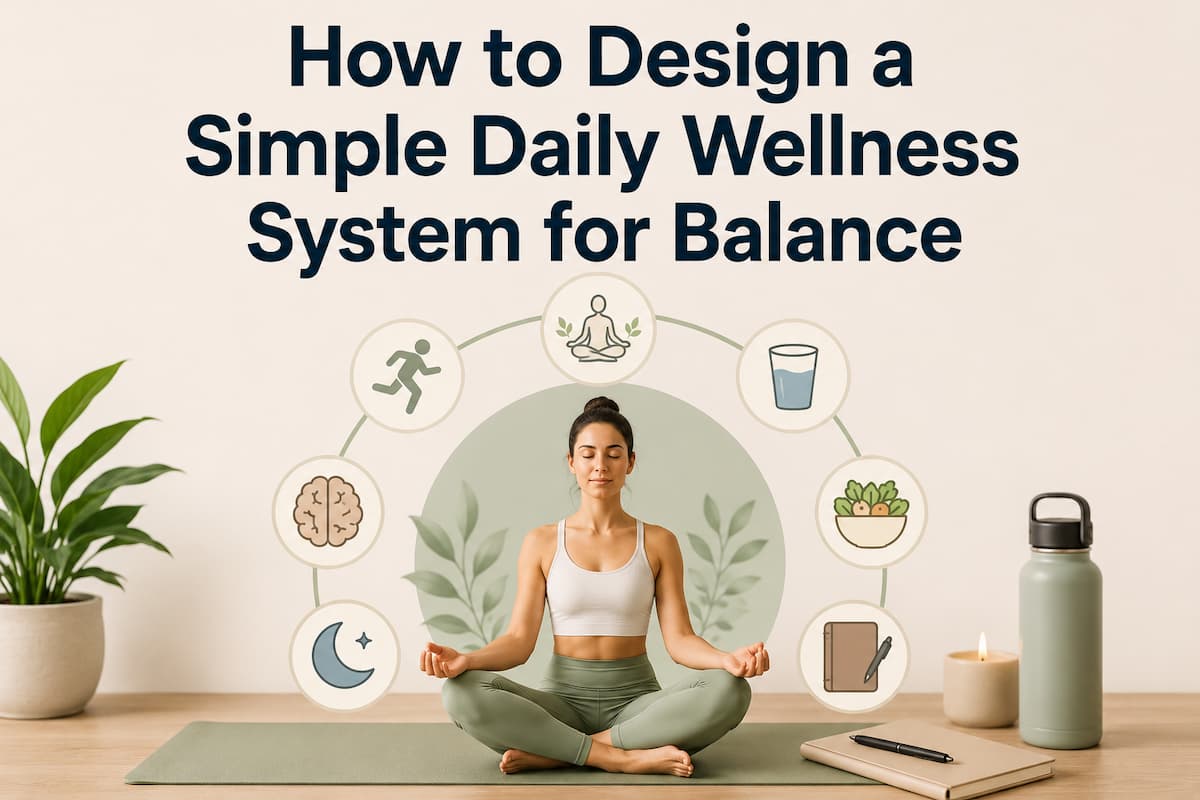
Wellness is one of those concepts that’s everywhere – you see it on social media, on health blogs, in motivational talks – but in real life, it can feel difficult. People think of rigid schedules, early morning workouts, costly smoothies or immaculate discipline. But the reality is a lot simpler: true well-being is about little, …
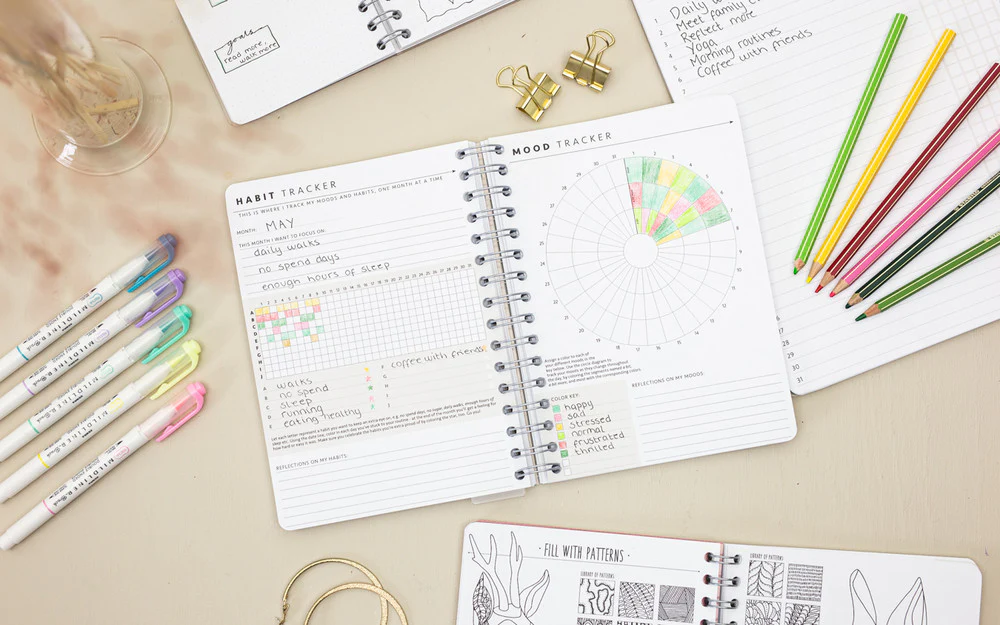
Most people find it difficult to stick to a health plan, let alone start one in the first place. Often, it all begins with enthusiasm: a new workout routine, a morning habit inspired by the internet, or the determination to “get healthy”. But after a week or two, reality strikes. Work becomes hectic, sleep is …
Most people succeed at wellness because they care about their health. Their lives are full; thus, they fail. Work deadlines, family obligations, unexpected routines, and mental exhaustion leave little room for “ideal habits”. Motivation is unstable in this reality. It appears occasionally, disappears frequently, and rarely coincides with your busiest days. Functional wellness systems are …
In today’s fast-paced society, many people view self-care as an occasional reward, not as a daily habit. They might take a break after exhaustion or plan a relaxing weekend after weeks of stress but soon return to the same stressful schedule. The problem with this view is that self-care becomes a coping mechanism rather than …