
The Case for Boring Routines (And Why Excitement Isn’t the Goal)

Why long-term adherence, stable habits, and sustainable wellness often depend less on motivation and more on ordinary routines that are easy to repeat. Most people start a new routine with excitement. A new planner, a fresh workout plan, a perfect morning schedule, a new wellness challenge, or a motivational video can make change feel possible. … Read more

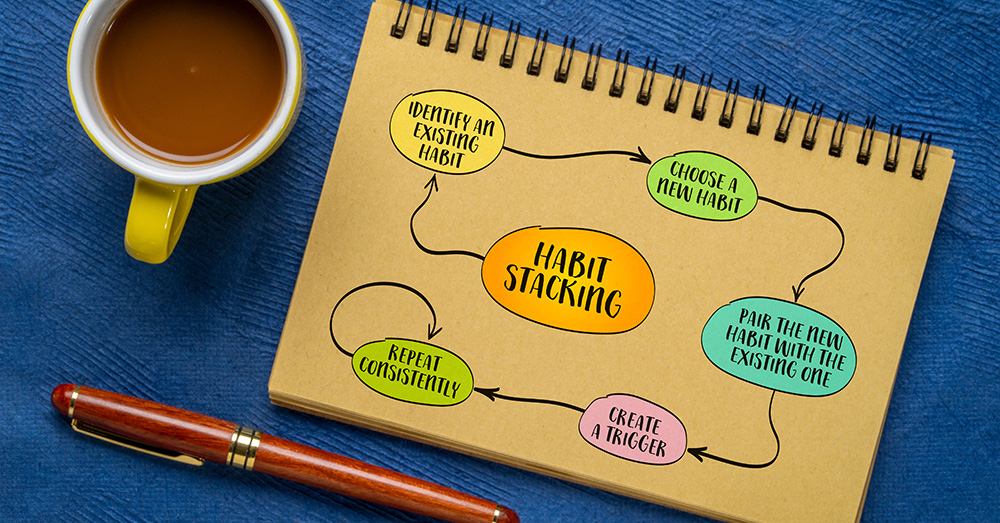
Simple Ways to Stay Consistent With Healthy Habits: A Behavioral Science Approach

Consistency is not a personality trait. It is a system design problem. The people who maintain healthy habits are not more disciplined. They have built environments where deviation requires more effort than adherence. I tracked my own habit adherence for two years using simple paper calendars. The data was humbling. Habits I considered “important” had … Read more

How to Create a Better Wind Down Routine at Night

Sleep is not a period of inactivity. It is an active neurological process that determines your next day’s cognitive capacity, emotional regulation, immune function, and metabolic health. Your wind-down routine is not relaxation before bed. It is the environmental and behavioral preparation that enables sleep architecture to function correctly. I spent four years with sleep … Read more

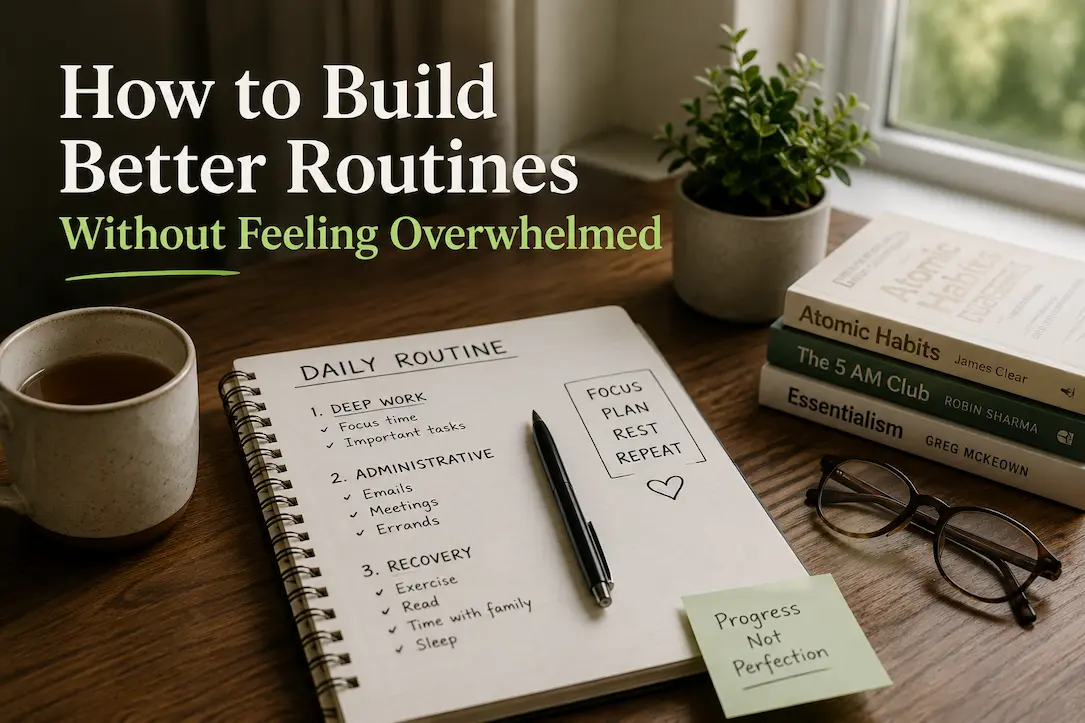
How to Build Better Routines Without Feeling Overwhelmed

Routines fail when they require willpower. The goal is not to build perfect schedules. The goal is to construct systems where the default option is the healthy option, and deviation requires conscious effort. I spent two years trying to follow morning routine videos, productivity planners, and habit-tracking apps. Every system collapsed within three weeks. The … Read more

Sustainable Self-Care Habits for Everyday Life: A Systems-Based Approach

Self-care fails when it depends on motivation. The question is not whether you feel like taking care of yourself today. The question is whether your systems make self-care the default option. After burning out twice in my twenties — once during graduate school and once during a consulting job — I stopped trying to “do … Read more