
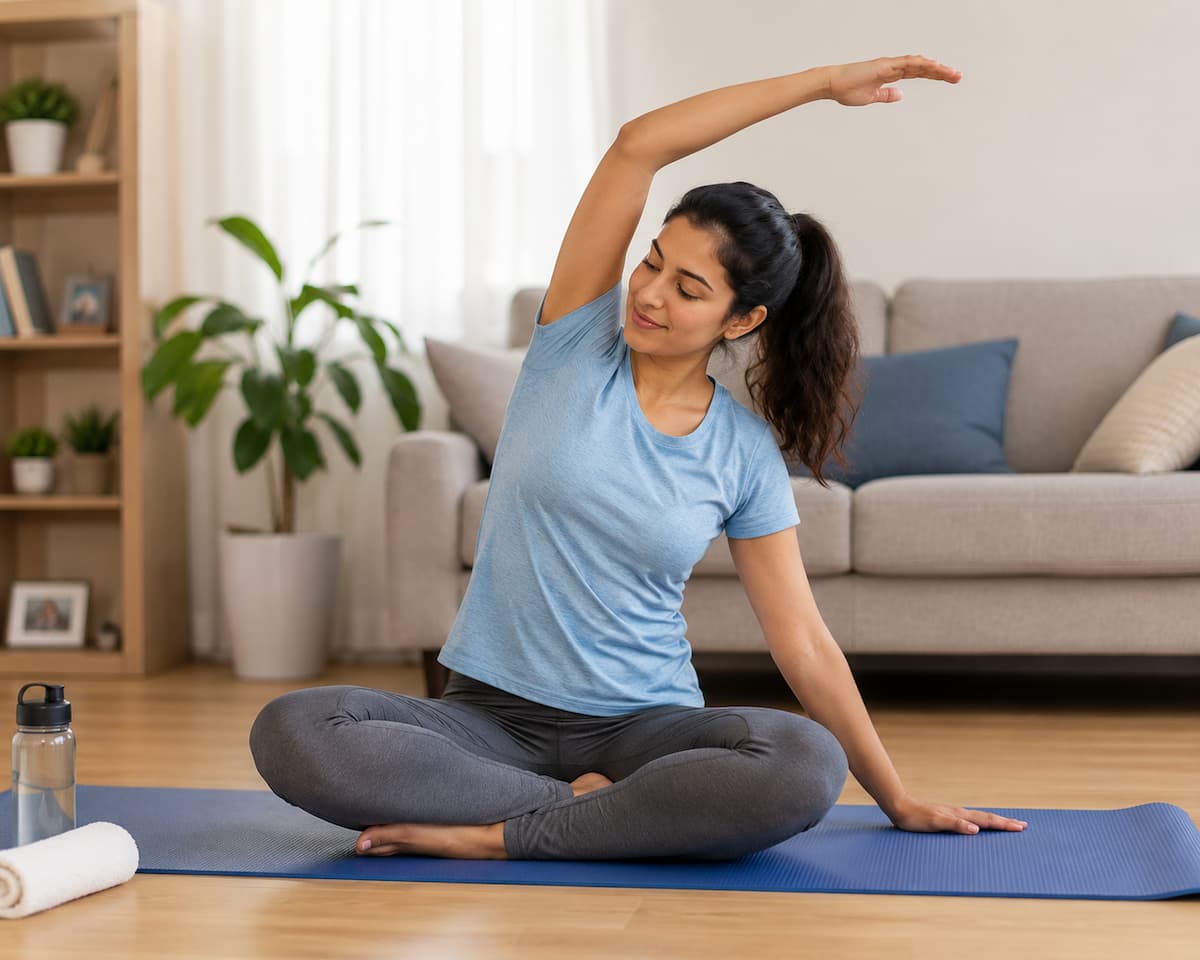
Many people want to feel healthier, more energetic, and less tired during the day, but they often don’t know where to start. Modern life keeps us busy, sitting for long hours, eating quickly, sleeping late, and ignoring the small habits that keep our bodies strong. Over time, this can lead to low energy, body pain, poor sleep, and stress that feels hard to manage.
The good news is that improving your physical well-being does not require extreme fitness plans or expensive tools. A simple physical self-care routine can help you feel better within a few days if followed consistently. In this guide, you will learn practical daily habits for exercise, sleep, hydration, posture, and recovery that anyone can follow, even as a complete beginner. Everything is explained in a simple, realistic way so you can easily apply it to your daily life.
What is physical self-care?
Physical self-care refers to the daily habits that help your body stay healthy, strong, and balanced. It includes things like how you sleep, what you eat, how much you move, and how you care for your posture and hygiene. Unlike strict fitness programmes, physical self-care is about consistency and small improvements rather than perfection.
According to the World Health Organization: contentReference[oaicite:0]{index=0}, regular physical activity and healthy lifestyle habits are key to preventing many chronic health problems. This shows that simple daily actions can have a big long-term impact.
The goal is not to become an athlete overnight. Instead, you build a routine that supports your body so you feel more active, focused, and comfortable throughout the day.
Morning Routine Foundation
Your morning sets the tone for your entire day. A rushed or chaotic morning often leads to stress and low energy, while a calm routine helps your body wake up naturally.
Simple Morning Steps
- Drink a glass of water immediately after waking up
- Do light stretching for 5–10 minutes
- Expose yourself to natural light
- Avoid checking your phone instantly
These steps help activate your metabolism and improve alertness. One common mistake is skipping hydration in the morning, which can lead to fatigue later in the day.
Hydration and Basic Nutrition
Your body depends on water for nearly every function, including digestion, brain activity, and temperature control. Dehydration can cause headaches, tiredness, and poor concentration.
Hydration Tips
- Drink 6–8 glasses of water daily
- Increase intake during hot weather or exercise
- Keep a water bottle nearby
For nutrition, focus on balance instead of strict dieting. Include fruits, vegetables, protein, and whole grains in your meals. Avoid skipping meals, as it can reduce energy levels.
A simple rule: if your plate is colourful and balanced, your body is likely getting what it needs.
Beginner-Friendly Exercise Routine
Exercise does not have to be complicated. Even 20–30 minutes of daily movement can improve heart health, mood, and energy levels.
Simple Weekly Exercise Plan
| Day | Activity |
|---|---|
| Monday | Walking + light stretching |
| Tuesday | Bodyweight exercises (squats, push-ups) |
| Wednesday | Rest or gentle yoga |
| Thursday | Walking or cycling |
| Friday | Strength exercises |
A common mistake is starting too intensely. This often leads to burnout or injury. Begin slowly and increase intensity over time.
Stretching and Mobility
Stretching improves flexibility and reduces stiffness caused by long sitting hours. It also supports better posture and reduces injury risk.
Best Times to Stretch
- After waking up
- After long sitting sessions
- Before and after workouts
Simple stretches like neck rolls, shoulder stretches, and hamstring stretches are enough for beginners. Consistency matters more than intensity.
Posture and Ergonomics
Poor posture is one of the most common causes of back and neck pain. Many people spend hours sitting in front of screens without realising how it affects their bodies.
Good Posture Tips
- Keep your back straight while sitting
- Place your screen at eye level
- Keep feet flat on the ground
The Centers for Disease Control and Prevention [1] recommends regular movement breaks to reduce risks related to prolonged sitting.
Sleep Hygiene for Better Recovery
Sleep is one of the most important parts of physical self-care. Poor sleep affects memory, mood, energy, and immune function.
Healthy Sleep Habits
- Sleep 7–9 hours daily
- Maintain a consistent sleep schedule
- Avoid screens 1 hour before bed
- Keep your room dark and quiet
Good sleep allows your body to repair itself and improves overall performance during the day.
Basic Hygiene and Skin Care
Hygiene is a key part of physical self-care. It protects you from infections and supports overall well-being.
Daily Hygiene Checklist
- Shower regularly
- Brush teeth twice daily
- Wash hands before meals
- Keep clothes clean
Simple skincare, like washing your face and moisturising, can also improve comfort and confidence.
Rest and Stress Management
Your body needs time to recover after physical activity and stress. Without rest, fatigue builds up and reduces productivity.
Activities like deep breathing, short naps, and quiet time help your body reset. Overworking yourself physically without rest can lead to burnout.
Tip: Rest is not laziness—it is part of improving your physical health.
Building a Weekly Routine
A structured weekly plan helps you stay consistent without feeling overwhelmed. The goal is balance, not perfection.
Example Weekly Structure
- 3 days exercise
- 2 days’ light activity (walking/stretching)
- 2 days full rest or recovery
You can adjust based on your lifestyle. The key is consistency over time.
Common Mistakes to Avoid
- Trying to change everything at once
- Ignoring rest days
- Skipping hydration
- Overtraining in the beginning
- Not tracking progress
Avoiding these mistakes makes it easier to stick to your routine long-term.
Troubleshooting Barriers
Many people struggle to stay consistent due to busy schedules or lack of motivation. The solution is to start small.
Even 10 minutes of walking or stretching is better than doing nothing. Build habits gradually instead of forcing big changes.
Warning: Do not compare your progress with others. Everyone’s body responds differently.
FAQs
1. How long does it take to see results?
Most people notice small improvements in energy and mood within 1–2 weeks. However, long-term benefits like better posture and stamina usually take a few months of consistency. The key is not speed but regular practice.
2. Do I need gym equipment for self-care exercises?
No, most beginner routines use bodyweight exercises like walking, squats, and stretching. Gym equipment is optional and can be added later if you want more intensity.
3. Can I do self-care routines at home?
Yes, physical self-care routines are designed for home use. You only need a small space for stretching or light exercise, making it very beginner-friendly.
4. What if I miss a day?
Missing a day is completely normal. Instead of stopping completely, just continue the next day. Consistency over time matters more than perfection.
5. Is walking enough exercise?
Walking is an excellent starting point. It improves heart health, supports weight management, and reduces stress. You can combine it with stretching or light strength training for better results.
6. How important is sleep in physical self-care?
Sleep is extremely important because it allows the body to recover and repair itself. Without proper sleep, even good exercise and nutrition will not show full benefits.
7. Can beginners follow this routine easily?
Yes, this routine is designed specifically for beginners. It focuses on simple, realistic habits that can be added gradually without overwhelming your daily life.
Conclusion
A physical self-care routine is not about strict rules or extreme fitness goals. It is about building small, healthy habits that support your body every day. When you focus on hydration, movement, sleep, posture, and rest, your overall health improves naturally.
Start small, stay consistent, and adjust your routine based on your lifestyle. Over time, these simple habits will help you feel more energetic, focused, and physically comfortable in your daily life. The most important step is to begin today—even one small change can make a difference.
References
- World Health Organization (WHO) – Physical Activity Guidelines
- Centers for Disease Control and Prevention (CDC) – Healthy Living Recommendations
- National Institutes of Health (NIH) – Sleep and Health Research
- Mayo Clinic – Exercise and Wellness Information
